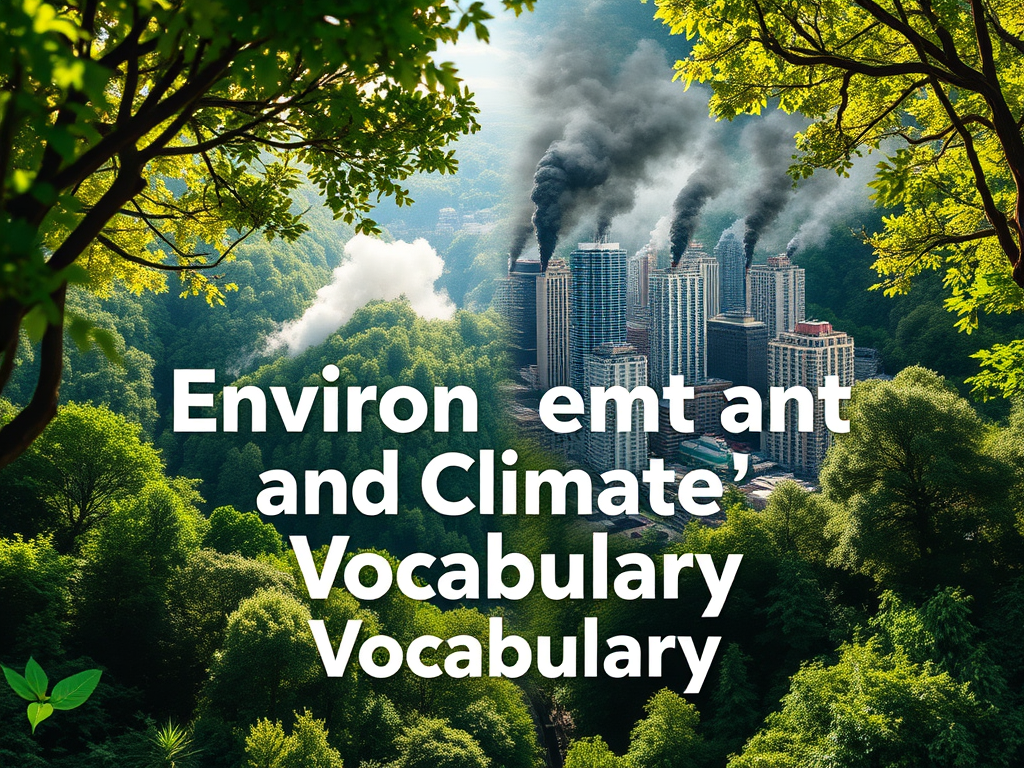
TOEFL Daily Practice Set 36
Part 1: Vocabulary
1. The scientist’s theory was initially ______ by peers, but later gained widespread acceptance.
2. Her speech was so ______ that it inspired the audience to take immediate action.
3. The new law aims to ______ discrimination in hiring practices.
4. His argument was ______ due to a lack of supporting evidence.
Part 2: Grammar and Written Expressions
5. Had she known about the deadline, she _______ the application earlier.
6. Neither the professor nor the students _______ prepared for the sudden change in schedule.
7. Rarely _______ such a clear explanation of complex theories.
8. The research findings, along with the survey data, _______ significant improvements in public health.
Part 3: Reading Comprehension
Passage:
Renewable energy sources, such as solar and wind power, have become increasingly vital in addressing climate change. These technologies reduce reliance on fossil fuels, which contribute significantly to greenhouse gas emissions. Governments worldwide are investing in renewable infrastructure, offering subsidies to encourage adoption. However, critics argue that the intermittent nature of these energy sources—such as solar power’s dependence on sunlight—poses challenges to consistent energy supply.
Despite these hurdles, advancements in energy storage, like batteries, are helping to mitigate such issues. Collaboration between scientists, policymakers, and industry leaders is essential to overcoming these obstacles and ensuring a sustainable energy future.
9. What is the primary topic of the passage?
10. According to the passage, what is one challenge associated with renewable energy?
11. What does the passage suggest is key to addressing renewable energy challenges?
12. Which of the following is NOT mentioned as a benefit of renewable energy?
Discover more from EDUCATION FOR PEACE FOUNDATION
Subscribe to get the latest posts sent to your email.