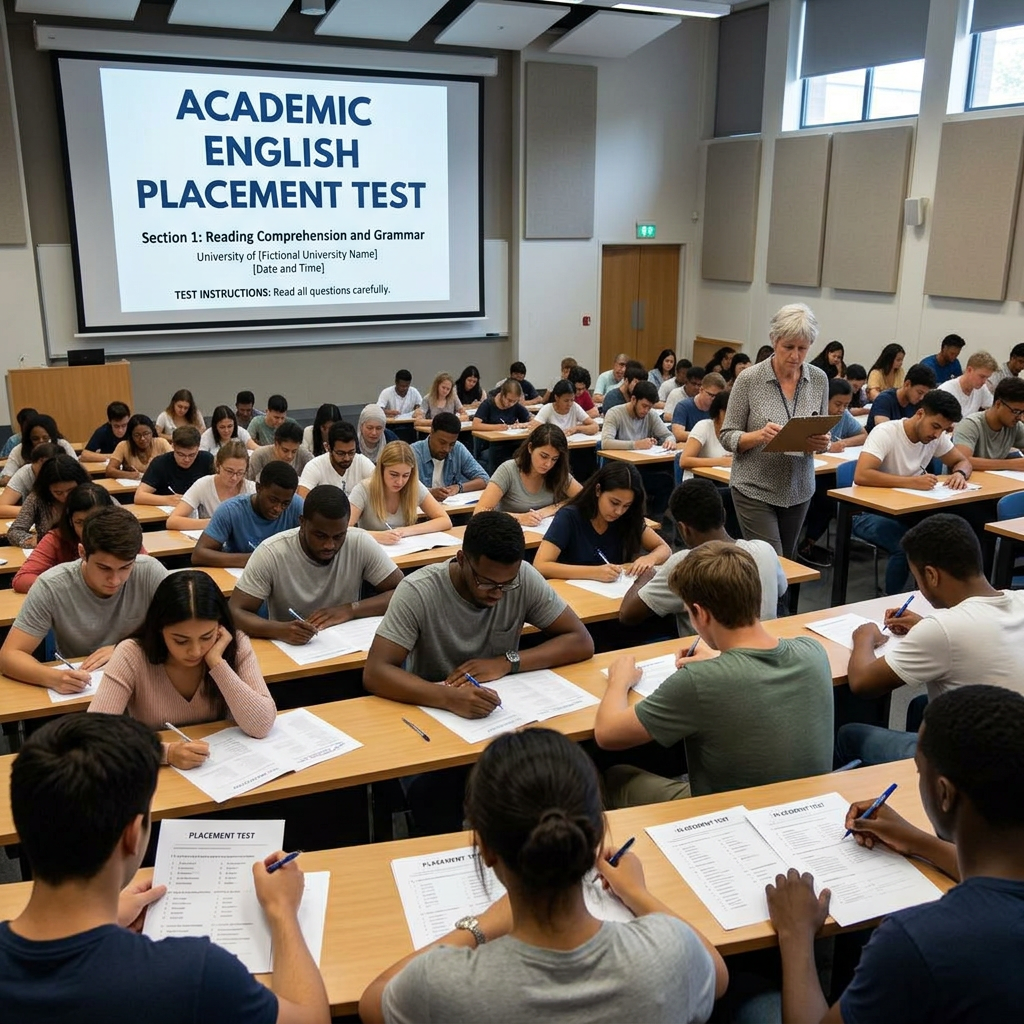
Lesson 19: Learning Grammar Through Conversations by Dr. Snea Thinsan
(Past Perfect vs. Past Simple)
A: “When I arrived at the station, the train ___ already ___.”
B: “Oh no! Did you catch the next one?”
Answer: b) had / left – Past Perfect is used to describe an action that was completed before another action in the past.
(Mixed Conditionals)
A: “If I ___ taller, I would have become a basketball player.”
B: “You’re great at other sports, though!”
Answer: a) were – Mixed Conditionals combine past unreal conditions with present consequences.
(Reported Speech: Yes/No Questions)
A: “He asked me if I ___ to the party.”
B: “And what did you say?”
Answer: a) was going – In Reported Speech, present tenses change to past tenses.
(Future Continuous vs. Future Perfect)
A: “By the time you arrive, I ___ dinner.”
B: “That’s perfect timing!”
Answer: b) will have cooked – Future Perfect is used for actions that will be completed before a certain point in the future.
(Prepositions of Movement)
A: “We ran ___ the park to catch the bus.”
B: “Did you make it?”
Answer: a) through – ‘Through’ is used to describe movement inside or across a space.
(Past Perfect vs. Past Simple)
A: “When I arrived at the station, the train ___ already ___.”
B: “Oh no! Did you catch the next one?”
Answer: b) had / left – Past Perfect is used to describe an action that was completed before another action in the past.
(Modals of Probability)
A: “It’s getting late; they ___ have left already.”
B: “You’re probably right.”
Answer: a) must – ‘Must’ is used to express strong probability or certainty.
(Comparative Adverbs)
A: “He runs ___ than anyone else in his team.”
B: “No wonder he’s the fastest sprinter!”
Answer: a) faster – Comparative adverbs compare how actions are performed by different people or groups.
(Gerunds as Subjects)
A: “___ in the park is my favorite way to relax.”
B: “I love doing that too!”
Answer: a) Walking – Gerunds are used as the subject of sentences to express actions as ideas.
(Future Continuous)
A: “At this time next week, we ___ in Paris.”
B: “I’m so excited!”
Answer: a) will be exploring – Future Continuous describes actions that will be ongoing at a specific future time.
(Infinitives of Purpose)
A: “She called me ___ me about the meeting.”
B: “That was thoughtful of her.”
Answer: a) to inform – Infinitives are often used to express the purpose of an action.
Discover more from EDUCATION FOR PEACE FOUNDATION
Subscribe to get the latest posts sent to your email.