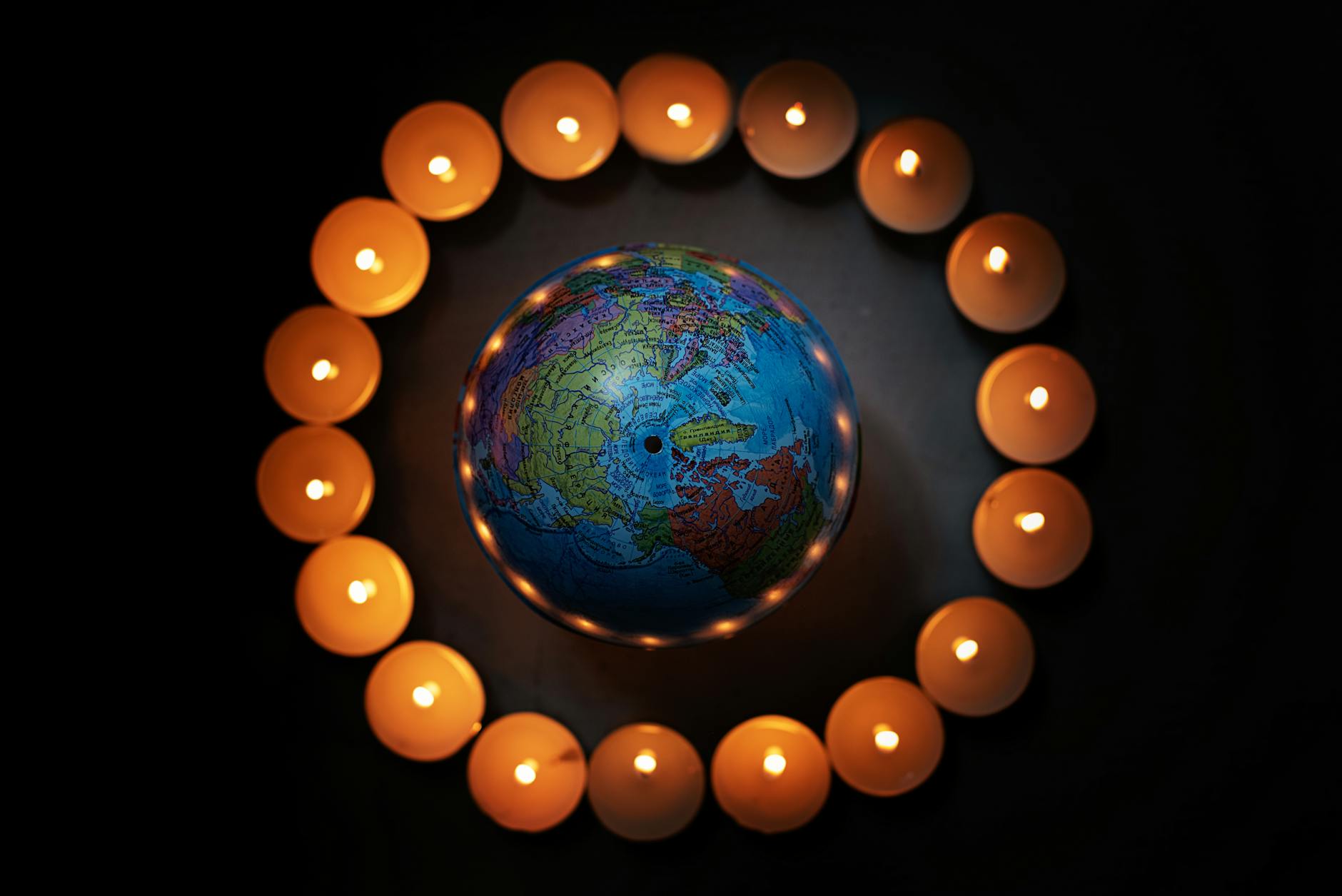
How Can Education Contribute to World Peace
Building a Brighter Future Through Learning
The Role of Education in World Peace
Education is one of the most powerful tools to foster understanding, tolerance, and unity among people. By equipping individuals with knowledge and skills, education not only empowers but also inspires people to work together for a peaceful and harmonious world.
Key Ways Education Promotes Peace
- Promotes Understanding: Education helps individuals understand different cultures, religions, and perspectives, reducing prejudice and fostering acceptance.
- Empowers Problem Solvers: Educated individuals are better equipped to address conflicts with reason and compassion.
- Builds Economic Stability: Access to education creates opportunities for employment, reducing the root causes of conflicts like poverty and inequality.
- Teaches Nonviolence: Programs focusing on conflict resolution and emotional intelligence encourage peaceful interactions.
- Encourages Civic Engagement: Education helps people understand their rights and responsibilities, promoting active participation in building just societies.
Practical Steps to Use Education for Peace
Here are strategies to maximize the role of education in achieving world peace:
- Implement Global Citizenship Education in school curricula.
- Provide equal access to education for marginalized groups.
- Encourage the teaching of empathy and tolerance through storytelling and role-playing.
- Develop partnerships between schools worldwide to promote cultural exchange.
- Focus on environmental education to foster a sense of shared responsibility for the planet.
“Education is the most powerful weapon which you can use to change the world.” – Nelson Mandela
Discover more from EDUCATION FOR PEACE FOUNDATION
Subscribe to get the latest posts sent to your email.