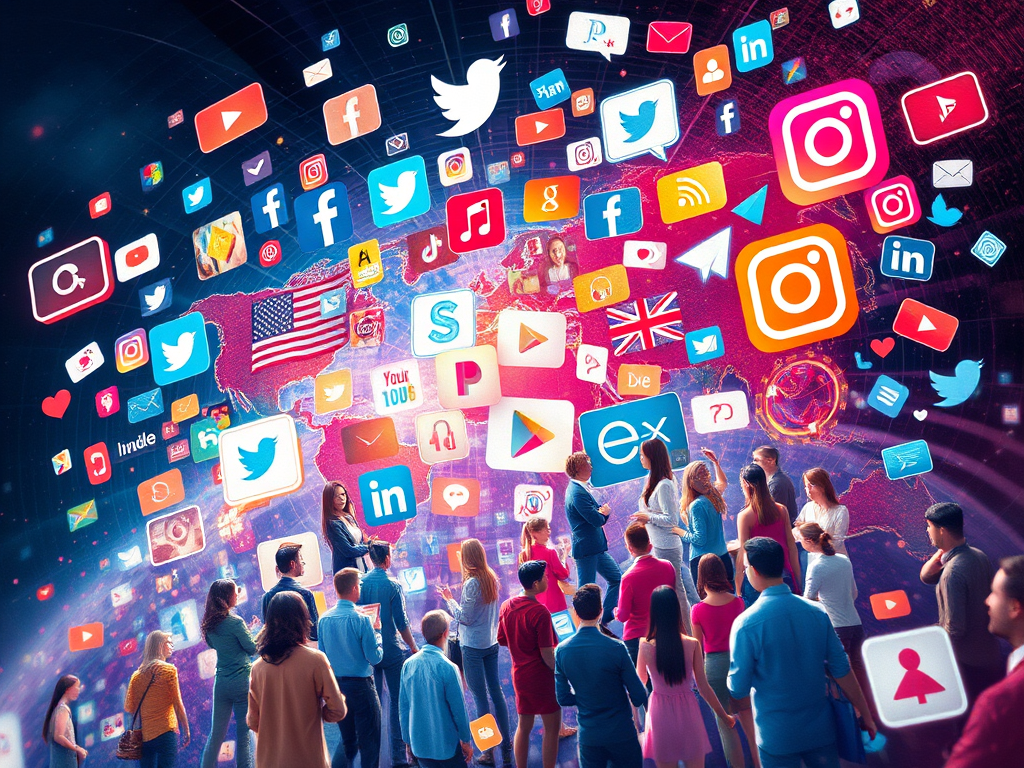
The Evolution of Social Media: Impact on Communication and Society
Social media has become an integral part of modern life, transforming how we connect, share, and communicate. Since its inception, platforms like Facebook, Twitter, and Instagram have revolutionized communication by making it more accessibleadjective: easy to approach, reach, or use and instantaneous. However, this evolution has had both positive and negative effects on society.
1. Enhanced Connectivity
One of the greatest advantages of social media is its ability to connect people across the globe. With just a click, users can maintain relationships, share moments, and collaborate regardless of physical distance. This has fostered a sense of globalizationnoun: the process by which businesses, cultures, or technologies spread across the world, breaking down cultural barriers and encouraging cross-cultural understanding.
2. Democratization of Information
Social media has also democratized the flow of information, allowing individuals to access and share knowledge without reliance on traditional media outlets. This has empowered people to become advocatesnoun: individuals who publicly support or recommend a particular cause or policy for social change and enabled grassroots movements to gain momentum. Platforms like Twitter have been instrumental in raising awareness about global issues and amplifying marginalized voices.
3. Negative Effects on Mental Health
Despite its benefits, social media has been criticized for its impact on mental health. Studies have shown that excessive use can lead to feelings of isolation, anxiety, and comparisonnoun: the act of evaluating similarities and differences between two things. Many users feel pressured to present a “perfect” version of their lives, creating unrealistic expectations and eroding self-esteem. Moreover, cyberbullying has emerged as a major concern, affecting users of all ages.
4. Spread of Misinformation
Another significant drawback of social media is the spread of misinformation. False or misleading content can quickly go viral, influencing public opinion and even impacting elections. Efforts to combat this issue, such as fact-checking and algorithmic moderation, are ongoing but have faced criticism for lacking transparencynoun: the quality of being open, honest, and easy to understand.
5. Shaping Modern Communication
Social media has reshaped communication styles, encouraging brevity and creativity. Platforms like TikTok and Instagram Stories prioritize short, engaging content, leading to the rise of trends and memesnoun: humorous images, videos, or text that are rapidly shared and imitated online. While this has made communication more dynamic, it has also raised concerns about the decline of in-depth conversations and critical thinking.
Conclusion
The evolution of social media has had a profound impact on communication and society, offering unprecedented opportunities for connection and advocacy while also presenting new challenges. By fostering awareness of both its benefits and drawbacks, individuals and organizations can harness the power of social media responsibly, ensuring it remains a force for positive change in an increasingly digital world.
SIMPLIFIED FOR LOW-INTERMEDIATE LEARNERS:
The Evolution of Social Media: Impact on Communication and Society
Social media has changed how we communicate and share information. Platforms like Facebook and Instagram make it easy to stay connected. However, social media has both good and bad effects on society.
1. Helping People Stay Connected
One big benefit of social media is that it helps people stay in touch. No matter where you are in the world, you can talk to friends or family. This creates a sense of connectionnoun: the feeling of being linked or joined with someone and allows people to share special moments instantly. Social media also makes the world feel smaller, which is called globalizationnoun: the way ideas, products, and culture move easily between countries.
2. Sharing Knowledge
Social media allows people to share news and knowledge quickly. It also gives everyone a chance to be heard. For example, people can use platforms like Twitter to talk about important issuesnoun: topics or problems that are very serious or need attention. This helps spread awarenessnoun: knowledge or understanding of a situation and support causes that need attention.
3. Problems with Mental Health
Social media can also have bad effects on mental health. Many people compare their lives to others online, which can lead to anxietynoun: a feeling of worry or nervousness or feeling unhappy. For example, seeing perfect photos can make users feel their lives are not good enough. Cyberbullying, or being bullied online, is another problem that affects people’s confidence.
4. Fake Information
Another issue is the spread of misinformationnoun: false or incorrect information shared as if it were true. Fake news or stories can confuse people or even cause harm. Social media companies are working to stop this, but it’s still a big challenge. People need to learn how to check if what they read online is true.
5. Changing How We Communicate
Social media has changed the way we talk to each other. Many platforms focus on short messages or videos, like TikTok or Instagram Stories. This makes conversations faster but less detailedadjective: giving lots of information or including many facts. Some people worry that this is making it harder to have deep discussions.
Conclusion
Social media has made life easier in many ways. It helps us connect, share ideas, and learn new things. However, it also creates new problems, like fake news and pressure to look perfect. By understanding both the good and bad effects, we can use social media in a smarter way.
Discover more from EDUCATION FOR PEACE FOUNDATION
Subscribe to get the latest posts sent to your email.