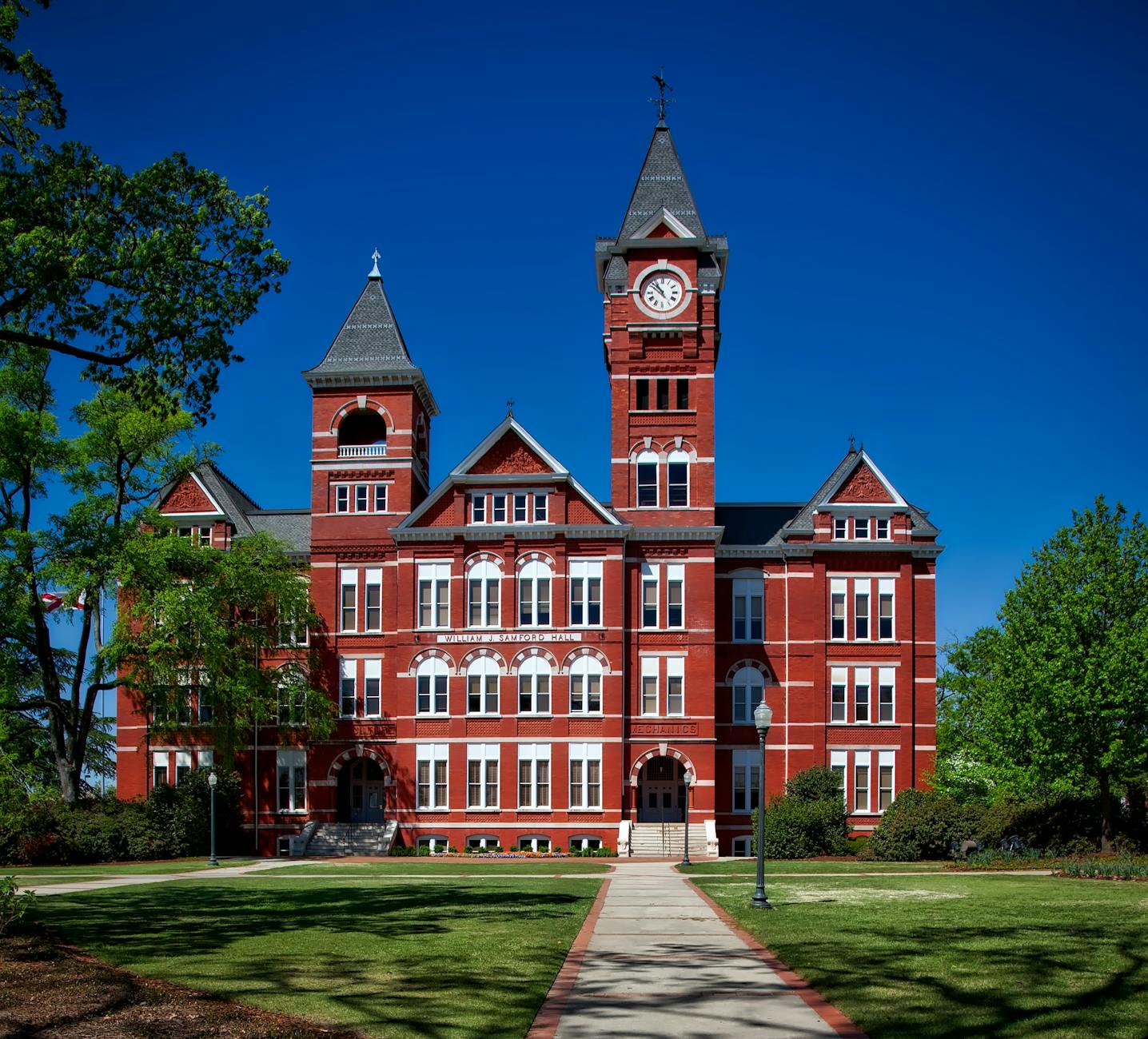
Clearing the Air in Chiang Mai
60 items · 60 minutes · Speaking 50 points · Reading 50 points · follows the TGAT1 blueprint
How it works. This practice test follows the structure of the real TGAT1 English Communication test: Question–Response, short and long conversations, text completion, and reading comprehension. All parts share one setting, so the people and places you meet in Part 1 return in Part 2. Start the timer if you want exam conditions, answer every item, then press Check My Score.
ข้อสอบเสมือนจริงตามโครงสร้าง TGAT1 การสื่อสารภาษาอังกฤษ 60 ข้อ 60 นาที ทุกส่วนเล่าเรื่องในโลกเดียวกัน ตัวละครจากบทสนทนาจะกลับมาในบทอ่าน กดเริ่มจับเวลาหากต้องการฝึกเหมือนวันสอบจริง ทำให้ครบแล้วกด Check My Score เพื่อดูคะแนนและคำอธิบายทุกข้อ
Part 1A · Question–Response: Smoke season
Mew, a Grade 12 student in Chiang Mai, investigates the air pollution that covers her city every dry season. Choose the most appropriate response to each line she hears or says.
Part 1B · Short conversation 1: The science project
Choose the best option to complete the conversation.
Ajarn Daniel: Mew, have you chosen a topic for your science project?
Mew: I’d like to measure PM2.5 at different places around the school.
Ajarn Daniel: Good question. We have three low-cost sensors you can borrow.
Mew: That’s perfect.
Part 1B · Short conversation 2: The first results
Choose the best option to complete the conversation.
Mew: Ajarn, look at this. The reading at the school gate is twice as high in the classroom.
Ajarn Daniel: Interesting.
Mew: I think it’s because of the cars dropping students off. Lots of parents leave their engines running.
Ajarn Daniel: That’s a reasonable idea.
Part 1B · Short conversation 3: The test
Choose the best option to complete the conversation.
Mew: I measured the gate on Monday, when cars were allowed, and on Tuesday, they weren’t.
Ajarn Daniel: And?
Mew: The level fell by almost forty per cent on Tuesday.
Ajarn Daniel: That’s strong evidence, though one day isn’t enough.
Mew: Then I’ll repeat it for two weeks. If the pattern , I’ll show the results to the director.
Part 1C · Long conversation 1: Visiting a farmer
Choose the best option to complete the conversation.
Mew: Lung Sak, thank you for talking to me.
Lung Sak: Every year after the maize harvest. It’s the fastest way to clear the field.
Mew: Do you know that the smoke affects people in the city?
Lung Sak: Of course I know. My own grandchildren cough too.
Mew: What would you need to stop burning?
Lung Sak: A machine to cut and remove the stalks. But one machine more than I earn in a year.
Mew: What if the village shared one machine?
Lung Sak: That might work, the government or a company helped to pay for it.
Mew: And the company that buys your maize?
Lung Sak: They pay for the maize, not for clean air.
Part 1C · Long conversation 2: Presenting to the director
Choose the best option to complete the conversation.
Director: Mew, Ajarn Daniel says you have some interesting results.
Mew: Over two weeks, PM2.5 at the front gate was on average 38 per cent lower on days when cars to enter.
Director: That’s impressive. What do you suggest?
Mew: A no-idling rule. Parents could drop students at the corner, switch off their engines while they wait.
Director: Some parents will complain.
Mew: I’d show them the data. Their own children breathe that air every morning.
Director: Let’s try it for one month and measure again.
Part 2A · Text completion 1: A health warning
Choose the best word or phrase for each gap in the text.
Chiang Mai Provincial Health Office: Air Quality Warning
PM2.5 levels across Chiang Mai are expected to remain at unhealthy levels the end of the month. PM2.5 refers to particles smaller than 2.5 micrometres, about thirty times thinner than a human hair. their tiny size, these particles can travel deep into the lungs and even enter the bloodstream.
Children, older people, pregnant women and people with heart or lung conditions are at risk. They should avoid outdoor exercise and stay indoors as much as possible.
When going outside, wear a properly fitted N95 mask. Ordinary cloth or surgical masks little protection against such small particles. Keep windows closed, and if possible use an air purifier in the room you sleep.
Seek medical advice immediately if you experience difficulty breathing, chest pain or a cough that does not . Updated readings are available every hour on the Air4Thai website and app.
Residents are reminded that outdoor burning of any kind is prohibited the dry season. Fines of up to 50,000 baht may apply.
Part 2A · Text completion 2: Mew’s science report summary
Choose the best word or phrase for each gap in the text.
Cars at the Gate: A Student Study of PM2.5 at School · by Mew Inthachai, Grade 12
Every dry season, Chiang Mai some of the worst air in the world. Most discussion focuses on crop burning and forest fires, which are the largest sources. However, I wanted to find out whether local sources, such as traffic, also a difference at my school.
I placed three low-cost sensors in a classroom, at the school gate and on the sports field. I recorded PM2.5 every fifteen minutes for two weeks. On alternate days, the school allowed cars to enter the gate area it did not.
The results were clear. On days when cars were allowed, PM2.5 at the gate rose sharply between 7:00 and 8:00, parents were dropping off their children. On car-free days, average levels at the gate were 38 per cent lower.
my study has limitations. Low-cost sensors are less accurate than official equipment, and two weeks is a short period. Weather also the results.
Still, the findings suggest a simple measure that the school can take immediately. The director has agreed to test a no-idling rule for one month. Traffic is not the main cause of Chiang Mai’s smoke, but it is one we can today. Large problems are often solved by many small changes, just one big one.
Part 2B · Reading 1: An air quality guide
Read the text and answer the questions.
What Do the Colours Mean? · Air Quality Index (AQI) Guide for Schools
Blue (0–25): Very good. All outdoor activities are fine.
Green (26–50): Good. Outdoor activities are fine for everyone.
Yellow (51–100): Moderate. Students with asthma or allergies should take breaks during long outdoor activities.
Orange (101–200): Unhealthy for sensitive groups. Move PE lessons indoors. Shorten outdoor break times. Students with asthma should stay inside.
Red (above 200): Unhealthy for everyone. All activities must take place indoors. Schools should consider closing if classrooms do not have air purifiers.
Schools should check the AQI at 7:00 and again at 11:00, because levels can change quickly during the day.
Part 2B · Reading 2: An explanatory article
Read the text and answer the questions.
Where Does the Smoke Come From?
Every year between February and April, northern Thailand faces some of the worst air pollution on Earth. On bad days, Chiang Mai’s air quality has ranked among the poorest of any major city in the world. Understanding the causes is the first step towards solving the problem, but the causes are more complicated than they first appear.
The largest single source is burning. Farmers in the region, and in neighbouring countries, burn crop waste after the harvest, especially from maize grown to feed animals. Burning is cheap and fast, while machines that remove crop waste are expensive. Forest fires, some started deliberately to clear land or to encourage the growth of mushrooms and young plants that can be sold, add even more smoke.
Geography makes the situation worse. Chiang Mai sits in a valley surrounded by mountains. In the dry season, a layer of warm air often lies above cooler air near the ground, trapping the smoke like a lid on a pot. Without wind or rain, the pollution has nowhere to go.
Local sources such as traffic and industry contribute less, but they are not unimportant, especially in the city centre.
Because smoke crosses borders, no single province or country can solve the problem alone. Some experts argue that the companies that buy maize from farmers should share responsibility, for example by refusing to buy crops from burned fields or by helping farmers afford alternatives. Others warn that punishing poor farmers without offering them real alternatives will simply move the burning somewhere else.
Part 2B · Reading 3: A letter to the editor
Read the text and answer the questions.
Letter: Don’t Blame the Farmers Alone
Every March, when the sky over Chiang Mai turns grey, the same story appears in newspapers and on social media: farmers are burning their fields, and they are poisoning the city. As a student who has interviewed farmers for a school project, I want to offer a more complete picture.
The farmers I met are not careless people. One of them, a maize grower in Mae Chaem, told me that his own grandchildren cough during the smoke season. He burns his fields because a machine to clear them would cost more than he earns in a year, and because the company that buys his maize pays for crops, not for clean air.
It is easy for city residents to point at farmers. It is harder to ask why so much maize is grown on steep hillsides in the first place, who profits from it, and why the cheapest choice for farmers is also the most harmful choice for everyone else.
I am not saying that burning is acceptable. It is not. But real solutions will require the companies that buy crops, the government and city residents to share the cost of change. Shared machines, fair prices for crops from unburned fields, and support for farmers who switch to other crops would all help.
Clean air is a right for everyone, including the farmers whose families breathe the same smoke.
Mew Inthachai, Chiang Mai
| Section | Correct | Points |
|---|
Review every item
Discover more from EDUCATION FOR PEACE FOUNDATION
Subscribe to get the latest posts sent to your email.