Reading Comprehension Set 2: The Impact of Renewable Energy
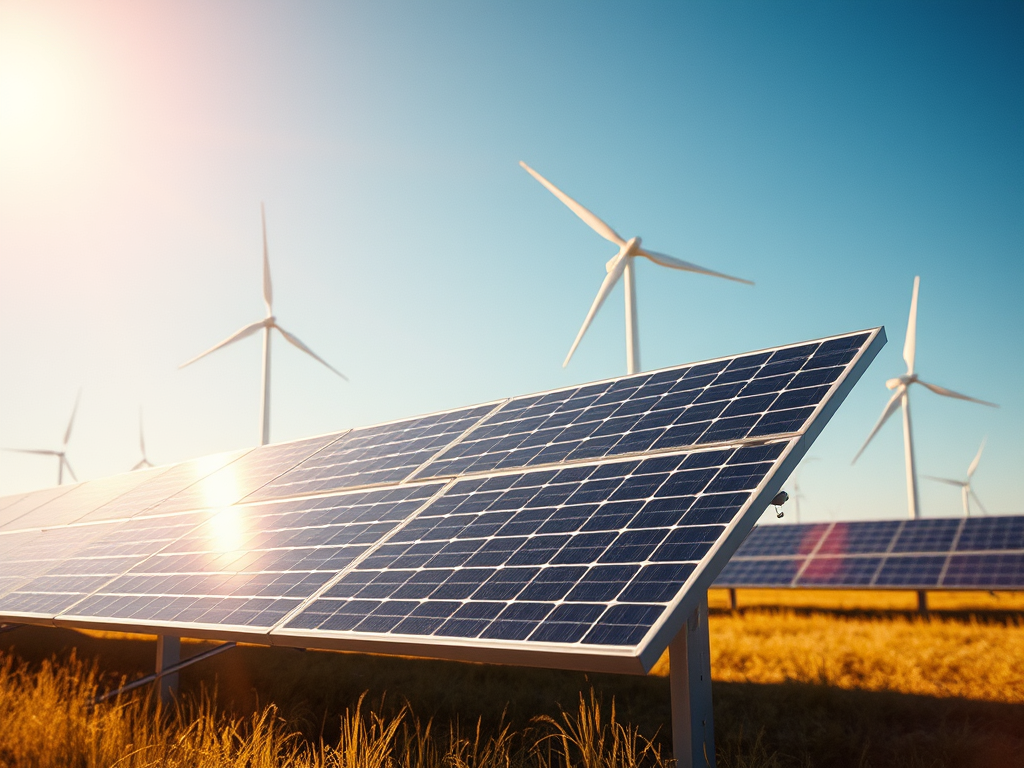
As concerns about climate change grow, renewable energy sources like wind, solar, and hydroelectric power are gaining attention worldwide. Unlike fossil fuels, renewable energy sources are naturally replenished and have minimal environmental impact. By adopting renewable energy, countries can reduce their carbon footprints and decrease their dependence on finite resources. Renewable energy also generates job opportunities in sectors such as engineering, construction, and maintenance. Furthermore, using these resources improves energy security and supports a cleaner, healthier environment.
Transitioning to renewable energy can initially be costly, but the long-term benefits for both the economy and the planet make it a worthwhile investment. This shift toward sustainable power is not just a technological change but a social one, as it requires global cooperation and commitment to protect future generations.
Glossary
- Renewable
- Carbon footprint
- Emissions
- Generate
- Sustainable
Comprehension Questions
1. What is one benefit of renewable energy?
2. Why is the shift to renewable energy considered a social change?
3. Which word describes a resource that cannot last forever?
4. What is a primary challenge in transitioning to renewable energy?
Discover more from EDUCATION FOR PEACE FOUNDATION
Subscribe to get the latest posts sent to your email.