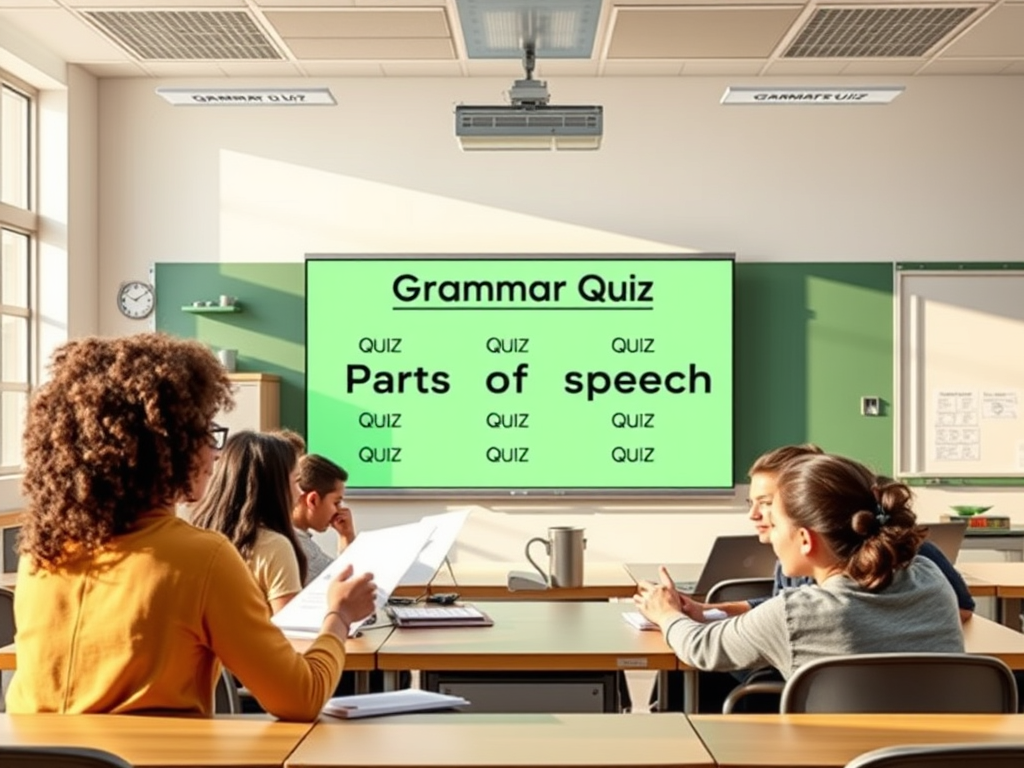
Module 5: Classroom Management Strategies
Introduction
Effective classroom management is the backbone of successful teaching. It creates a positive learning environment, minimizes disruptions, and maximizes student engagement. This module explores key strategies, techniques, and tools to help English teachers manage their classrooms effectively, regardless of class size or learner demographics.
Section 1: Creating a Positive Classroom Environment
1. Why a Positive Environment Matters
A welcoming and respectful environment motivates learners and fosters a sense of belonging. When students feel safe and valued, they are more likely to engage and participate.
2. Strategies for Building a Positive Environment
- Set Clear Expectations: Clearly outline classroom rules and routines at the beginning of the course.
Example: “Raise your hand before speaking” or “Respect others’ opinions.” - Build Rapport with Students: Learn and use students’ names. Show interest in their goals and cultures.
- Promote Mutual Respect: Model respectful behavior and encourage students to support one another. Acknowledge effort and progress, not just achievement.
Section 2: Managing Classroom Dynamics
1. Handling Mixed-Ability Classes
- Use differentiated instruction to cater to varying levels.
Example: Provide simpler tasks for beginners and extension activities for advanced learners. - Pair stronger students with weaker ones for peer learning.
2. Managing Large Classes
- Divide and Conquer: Use group or pair activities to ensure everyone participates.
- Use Technology: Incorporate apps and online tools for quizzes or interactive activities.
- Establish Clear Signals: Use non-verbal cues like raising a hand or ringing a bell to gain students’ attention.
3. Dealing with Disruptive Behavior
- Stay Calm: Respond to disruptions calmly and professionally.
- Address Issues Privately: Speak to disruptive students one-on-one rather than embarrassing them in front of the class.
- Set Consequences: Be consistent in applying rules, so students understand the importance of boundaries.
Section 3: Engaging Students Actively
1. The Role of Engagement
Engaged students are less likely to cause disruptions and more likely to retain what they learn.
2. Techniques for Active Engagement
- Gamify Learning: Use games to make lessons fun and interactive.
Example: Word bingo, role-plays, or team challenges. - Use Real-World Examples: Incorporate current events, songs, or movies to make content relatable.
- Rotate Activities: Combine individual work, pair tasks, and group discussions to keep lessons dynamic.
Section 4: Organizing Classroom Spaces
1. Layout and Seating Arrangements
- For Discussions: Use a U-shape or circle layout to promote communication.
- For Group Work: Cluster desks to encourage collaboration.
- For Lectures: Arrange desks in rows for focused attention.
2. Managing Resources
- Keep teaching materials organized and easily accessible.
- Use bulletin boards or wall charts to display key information, such as vocabulary or grammar rules.
Section 5: Time Management in the Classroom
1. Plan Lessons with Precision
- Allocate specific time slots for each activity.
Example: “Warm-up: 5 minutes, Presentation: 15 minutes, Practice: 20 minutes.” - Use timers to stay on track.
2. Handle Transitions Smoothly
- Prepare transition cues to move students from one activity to another.
Example: Use music or verbal instructions like, “In 10 seconds, please close your books and form groups.”
Section 6: Practical Applications and Examples
Sample Strategies for Common Scenarios
- Scenario: Students are frequently late to class.
Solution: Start each lesson with a fun activity or quiz to incentivize punctuality. - Scenario: A few students dominate discussions while others remain silent.
Solution: Use a “talking token” system where each student gets a chance to contribute.
Sample Activity: Gamified Classroom Management
- Create a points system for positive behaviors:
- On-time attendance: +5 points
- Completing homework: +10 points
- Helping a classmate: +5 points
- Reward the class with a fun activity once they reach a group goal.
Section 7: Tools for Classroom Management
1. Digital Tools
- ClassDojo: Track attendance, behavior, and rewards visually.
- Kahoot: Engage students with interactive quizzes and polls.
- Google Classroom: Organize assignments and feedback efficiently.
2. Physical Tools
- Classroom Props: Use flashcards, timers, and visual aids.
- Behavior Charts: Display progress and motivate improvement.
Conclusion
Classroom management is both an art and a science. By fostering a positive environment, managing dynamics effectively, and engaging students actively, teachers can create a productive and harmonious classroom. Use this module as a guide to refine your strategies and build a classroom that supports learning and growth.
Discover more from EDUCATION FOR PEACE FOUNDATION
Subscribe to get the latest posts sent to your email.