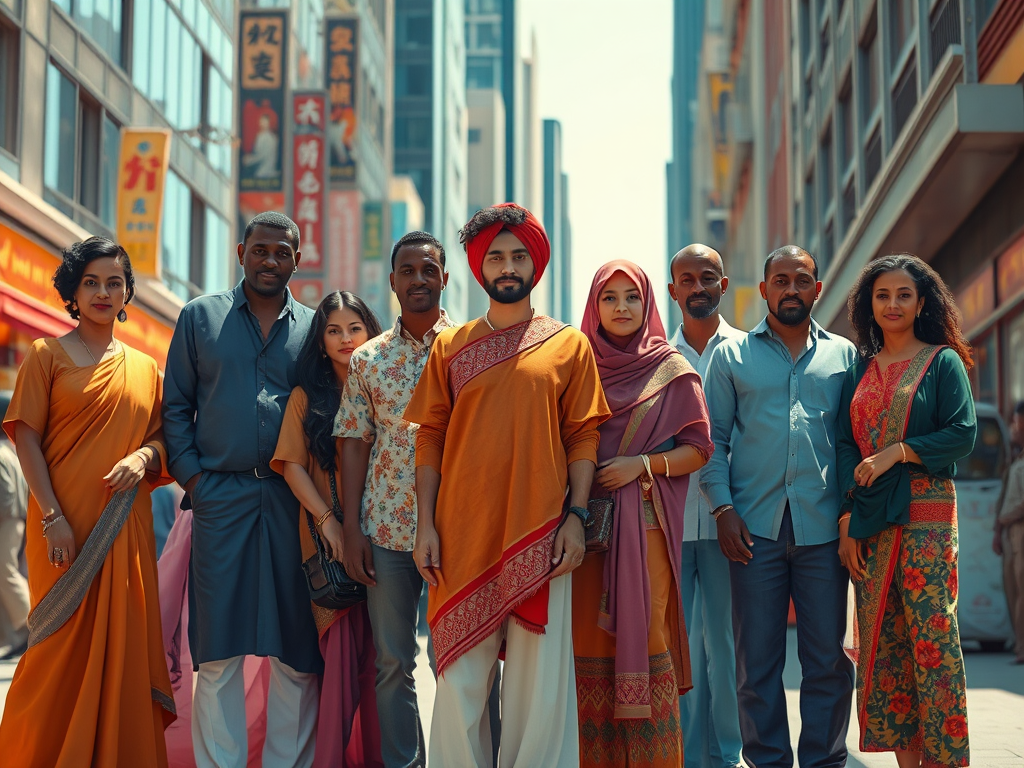
Explore 25 adjectives commonly used in discussions about society and culture.
Society & Culture Adjectives
- Inclusive – Open to all people, regardless of differences.
Example: The school promotes an inclusive environment for students of all backgrounds. - Diverse – Showing a variety of people, ideas, or cultures.
Example: The city is known for its diverse population and cultural heritage. - Ethnic – Relating to a specific racial or cultural group.
Example: The festival celebrates ethnic traditions from around the world. - Traditional – Based on long-established customs or beliefs.
Example: Traditional wedding ceremonies vary across cultures. - Cultural – Related to the arts, customs, and beliefs of a society.
Example: Museums help preserve cultural heritage for future generations. - Progressive – Favoring change, reform, or new ideas.
Example: The country adopted progressive policies to promote gender equality. - Patriotic – Having strong pride and love for one’s country.
Example: The national holiday inspires patriotic celebrations. - Multicultural – Including people of many different backgrounds.
Example: The university promotes a multicultural learning environment. - Urban – Related to cities or large towns.
Example: Urban areas offer diverse cultural and economic opportunities. - Rural – Relating to the countryside rather than the city.
Example: Rural communities often rely on agriculture for their economy. - Tolerant – Accepting of different opinions, beliefs, and behaviors.
Example: A tolerant society embraces people of all backgrounds. - Prejudiced – Having unfair negative opinions about others.
Example: The company fights against prejudiced attitudes in the workplace. - Oppressed – Subjected to unjust treatment or control.
Example: Human rights activists work to help oppressed communities. - Discriminatory – Showing bias or unfair treatment toward a group.
Example: Discriminatory laws were abolished to promote equality. - Marginalized – Excluded from mainstream society or decision-making.
Example: The organization helps marginalized communities gain access to education. - Inclusive – Welcoming and supportive of all people.
Example: The company fosters an inclusive workplace culture. - Privileged – Having special rights, advantages, or benefits.
Example: Some people are born into a privileged social class. - Secular – Not connected to religion.
Example: The government follows a secular approach to policymaking. - Spiritual – Relating to religious or sacred matters.
Example: Many people seek spiritual guidance through meditation. - Gender-neutral – Not specific to any one gender.
Example: Some languages are introducing gender-neutral pronouns. - Activist – Engaged in social or political change.
Example: The activist spoke about human rights at the conference. - Conservative – Favoring tradition and resistance to change.
Example: The community holds conservative values about marriage. - Liberal – Open to progress and new ideas.
Example: The school follows a liberal education approach. - Innovative – Introducing or using new ideas and methods.
Example: The museum’s innovative exhibits attract young audiences.
Discover more from EDUCATION FOR PEACE FOUNDATION
Subscribe to get the latest posts sent to your email.