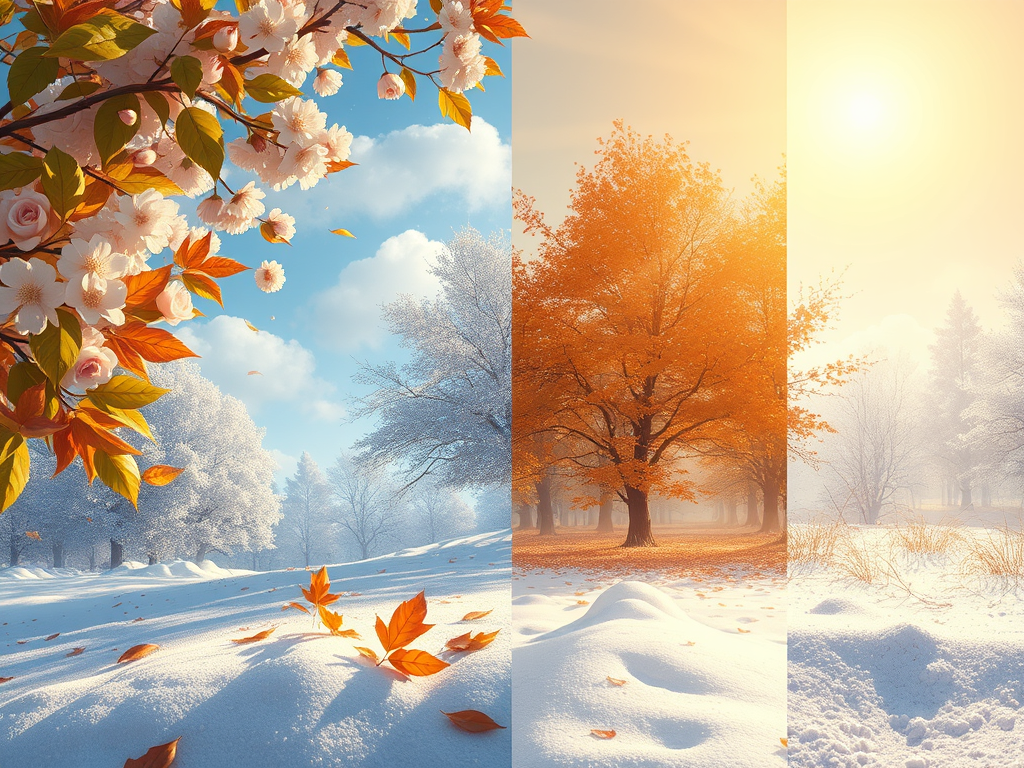
Speaking Module 13: Describing Weather and Seasons
This module teaches learners how to describe weather conditions, discuss seasonal changes, and talk about their preferences for different types of weather.
1. Talking About Current Weather
“It’s sunny and warm today.”
A simple sentence to describe clear and pleasant weather.
“It’s raining heavily.”
Describes rainy conditions.
“It’s really windy outside.”
Used for breezy or stormy weather.
“The temperature is below freezing.”
Describes extremely cold weather.
“It’s so humid today.”
Describes muggy weather.
2. Discussing Seasonal Changes
“Spring is my favorite season because [reason].”
Used to express a preference for spring.
“In summer, the days are long and hot.”
Describes typical summer weather.
“Autumn is beautiful with its colorful leaves.”
Highlights the key features of autumn.
“Winter brings snow and chilly nights.”
Describes winter characteristics.
“The monsoon season is quite wet and unpredictable.”
Describes rainy seasons common in tropical regions.
3. Talking About Weather Preferences
“I love sunny weather because [reason].”
Expresses a preference for sunny days.
“I prefer cold weather to hot weather.”
Used to compare preferences.
“Rainy days are relaxing for me.”
Shares a personal feeling about rainy weather.
4. Cultural Insights
Did you know?
Talking about the weather is a popular conversation starter in English-speaking countries. It’s often used as small talk to break the ice or fill awkward silences.
5. Extra Resources
Explore more resources:
Discover more from EDUCATION FOR PEACE FOUNDATION
Subscribe to get the latest posts sent to your email.