Story 39: The Crusades and the Pursuit of Peace
The Crusades were one of the most significant clashes of civilizations in history, driven by religious, political, and territorial ambitions. Though these wars occurred centuries ago, their legacy continues to shape modern narratives of conflict and cooperation.
The Historical Context of the Crusades
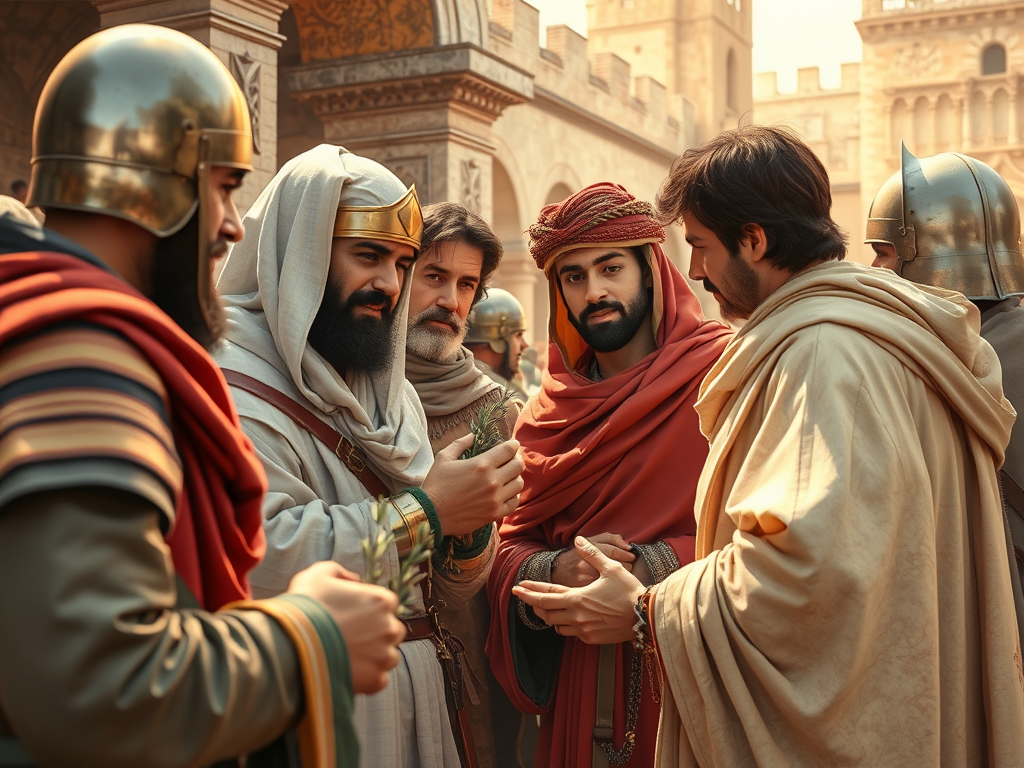
Beginning in 1096, the Crusades were launched by European Christians seeking to reclaim the Holy Land from Muslim control. These wars were not just about faith but were also influenced by political power struggles, economic gains, and personal ambitions. Despite the destruction, the Crusades also facilitated cultural exchanges that influenced science, trade, and art in both Europe and the Middle East.
The Clash of Civilizations: A Lingering Divide
The Crusades left a deep impact on Christian-Muslim relations, reinforcing a sense of division that persists in some ways today. However, even during these conflicts, there were periods of peace and cooperation. Cities such as Cordoba and Baghdad flourished as multicultural hubs of knowledge and exchange, proving that coexistence was possible.
Lessons for Global Citizens
The Crusades offer valuable lessons on how to foster peace and understanding in a diverse world:
- Recognize Shared Humanity: People across different cultures share similar desires for security and prosperity.
- Promote Education and Cultural Exchange: Understanding different histories and traditions reduces fear and misunderstanding.
- Reject Extremism: Viewing conflicts in simplistic terms of “good vs. evil” only fuels division.
- Embrace Interfaith Dialogue: Respectful discussions between religious and cultural groups lead to reconciliation and unity.
The Path Forward: Seeking Peace Beyond Divisions
Today, humanity faces global challenges that require unity rather than division. Lessons from the Crusades remind us that while history is marked by conflict, it is the stories of cooperation and peace that shape a more hopeful future.
Conclusion
Despite the violence of the Crusades, history teaches us that peace is achievable through understanding, dialogue, and cooperation. As global citizens, we must learn from the past and commit to fostering peace, ensuring that cultural and religious differences become sources of enrichment rather than division.
Glossary
- Crusades: A series of religious wars fought between Christians and Muslims from the 11th to 13th centuries.
- Cordoba: A historic city in Spain known for its diverse cultural heritage.
- Baghdad: A major city in Iraq and a center of learning in the medieval Islamic world.
- Extremism: Holding extreme views or actions, often leading to violence or intolerance.
- Interfaith Dialogue: Conversations and cooperation between people of different religious beliefs.
- Cultural Exchange: The sharing of traditions, ideas, and values between different societies.
- Reconciliation: The process of restoring friendly relations after a conflict or disagreement.
- Coexistence: The ability of people from different backgrounds to live peacefully together.
Discover more from EDUCATION FOR PEACE FOUNDATION
Subscribe to get the latest posts sent to your email.